
A properly ventilated attic costs less to cool, prevents ice dams, and extends shingle life. A poorly ventilated attic does the opposite. The secret to all of that is one word: balance.
Why Ventilation Works as a System
Attic ventilation uses simple physics. Warm air rises and exits through the top of the roof. Cooler outside air is drawn in along the bottom of the roof to replace it. The two halves of that loop are called exhaust and intake, and they have to match.
What Happens When It's Unbalanced
If you have plenty of exhaust at the ridge but clogged soffits pulling no intake, the exhaust vents start acting like intakes on the lee side of the roof. The system stalls. Attic temperature climbs and moisture accumulates.
The opposite problem, plenty of intake but inadequate exhaust, traps heat near the ridge and cooks shingles from underneath.
The Rule of Thumb
The industry standard is 1 square foot of net free ventilation area for every 150 square feet of attic floor, split roughly 50/50 between intake and exhaust. So a 1500 square foot attic needs about 10 square feet of ventilation, 5 at the soffits and 5 at the ridge.
Signs Your Ventilation Is Off
Check your attic on a hot summer day. If it feels dramatically hotter than outdoors, ventilation is undersized or blocked. Look for dark streaks on the underside of the decking, which indicate moisture condensation. Check soffit vents from underneath for paint covering the slots or insulation pushed up against them.
Ridge Vents vs Box Vents vs Gable Vents
Continuous ridge vents are the most effective exhaust method because they run the full length of the ridge and pull evenly from the whole attic. Box vents work but create cool spots and pull unevenly. Gable vents work but don't combine well with ridge vents because they short-circuit the airflow.
How to Fix an Unbalanced Attic
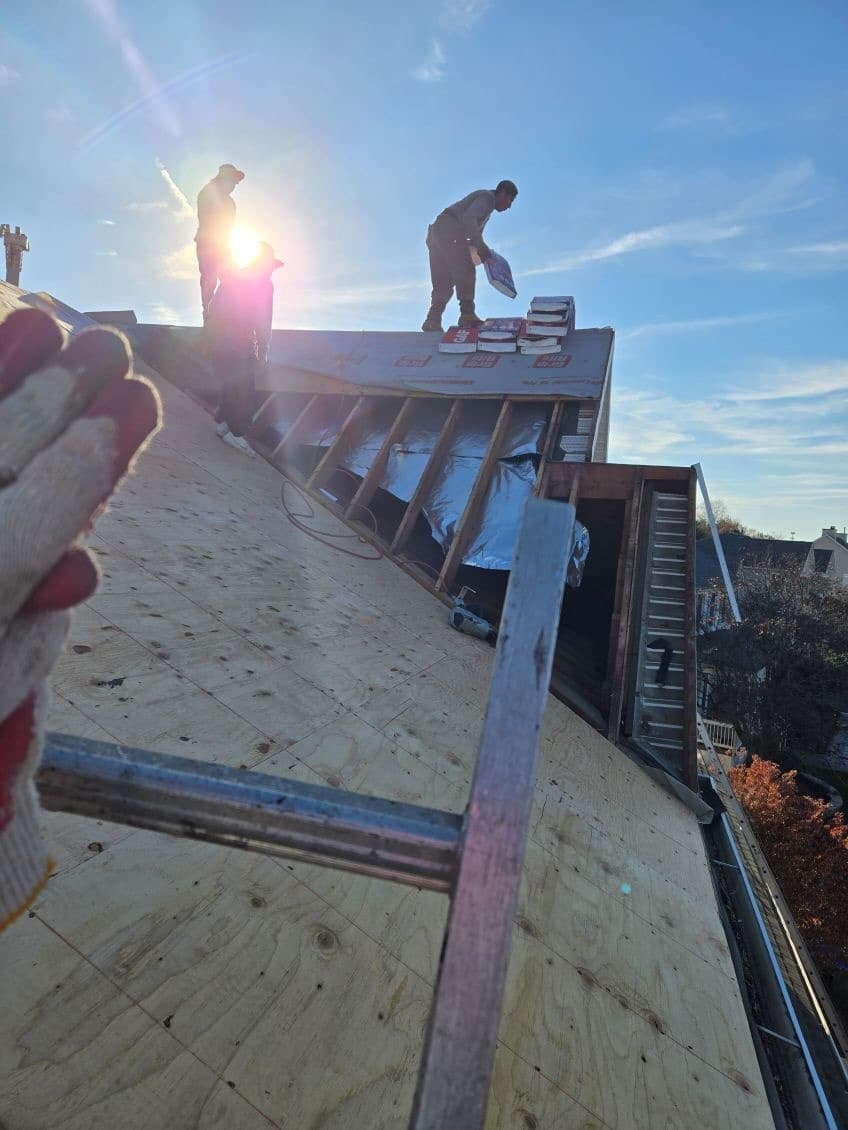
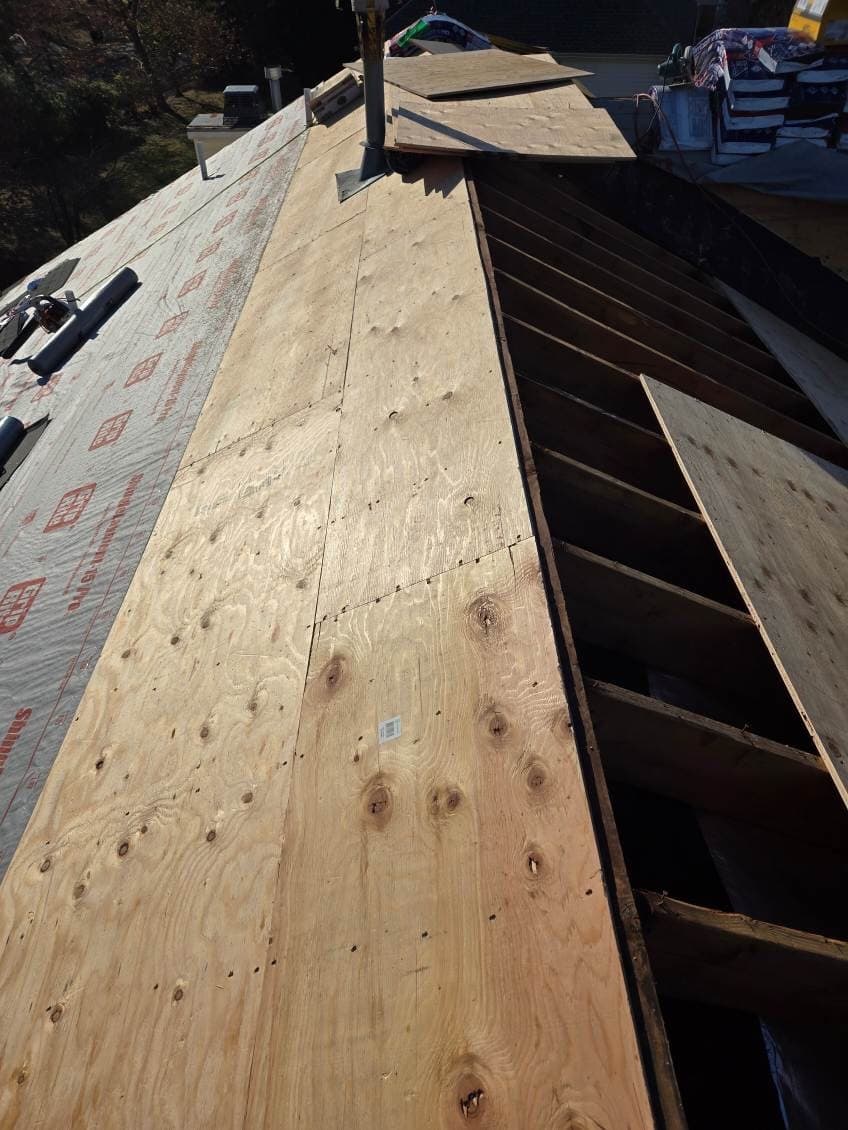
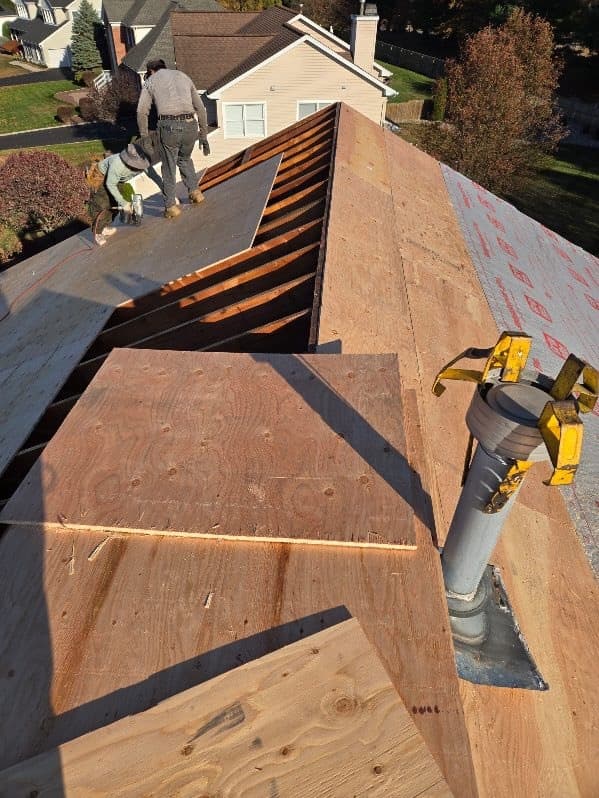
The most common fix on older homes is to cut in a continuous ridge vent and clear blocked soffit intakes, often by reinstalling baffles that were removed during insulation upgrades. Both are typically done in a single day.