Understanding Ice Dams
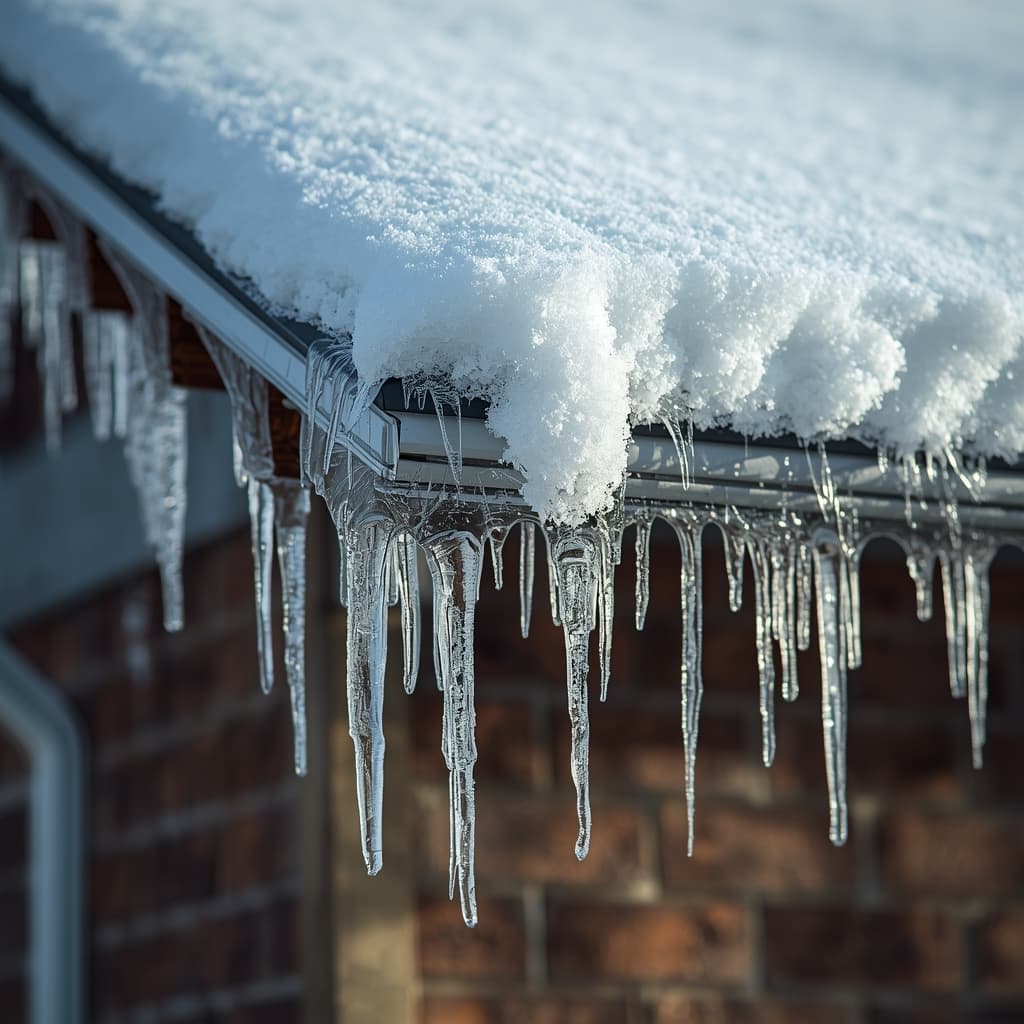
Ice dams are a common winter roofing problem that can lead to significant damage if not addressed. They form when the heat from your home escapes into the attic, warming the roof and causing snow to melt. This melted water then flows to the colder edges of the roof, refreezing and creating a dam of ice.
The Formation Process
- Heat Loss: Warm air from inside the house rises and escapes through the attic, warming the roof.
- Melting Snow: The heat causes the snow on the roof to melt.
- Refreezing: As the melted water reaches the colder eaves, it refreezes, forming an ice dam.
Damage Caused by Ice Dams
Ice dams can lead to a variety of roofing issues, including:
- Water Leaks: Water can back up behind the dam, seeping under shingles and into the home.
- Roof Damage: The weight of the ice can damage shingles and gutters.
- Structural Issues: Prolonged exposure to moisture can weaken the roof structure.
Prevention Strategies
To prevent ice dams, consider the following strategies:
- Improve Insulation: Ensure your attic is well-insulated to prevent heat escape.
- Ventilation: Proper attic ventilation helps maintain a consistent roof temperature.
- Roof Maintenance: Regularly clear snow from your roof using a roof rake.
Conclusion
Understanding how ice dams form and the damage they can cause is crucial for homeowners in colder climates. By implementing effective prevention measures, you can protect your roof and home from the adverse effects of ice dams.