How shingles are supposed to resist wind
Asphalt shingles have a strip of heat-activated sealant on the bottom face. When the sun heats the roof for the first few days after installation, the sealant softens and bonds each shingle to the one below it. That bond is what keeps wind from lifting the shingle.
Modern shingles (GAF Timberline HDZ, Owens Corning Duration, CertainTeed Landmark) have large sealant strips rated for 130 mph or higher when installed with six nails per shingle. That rating only holds if the install was done correctly.
What wind uplift actually looks like
Severe wind rips shingles clean off the roof. Milder wind just breaks the sealant bond without removing the shingle. The shingle sits back down mostly flat, the bond is gone, and the next storm finishes the job.
From the ground, broken seals are almost invisible. Up close, you can see the shingle tab lifts about a quarter inch when touched. You can also see a faint line of exposed fiberglass mat where the seal used to hold.
Why installation matters
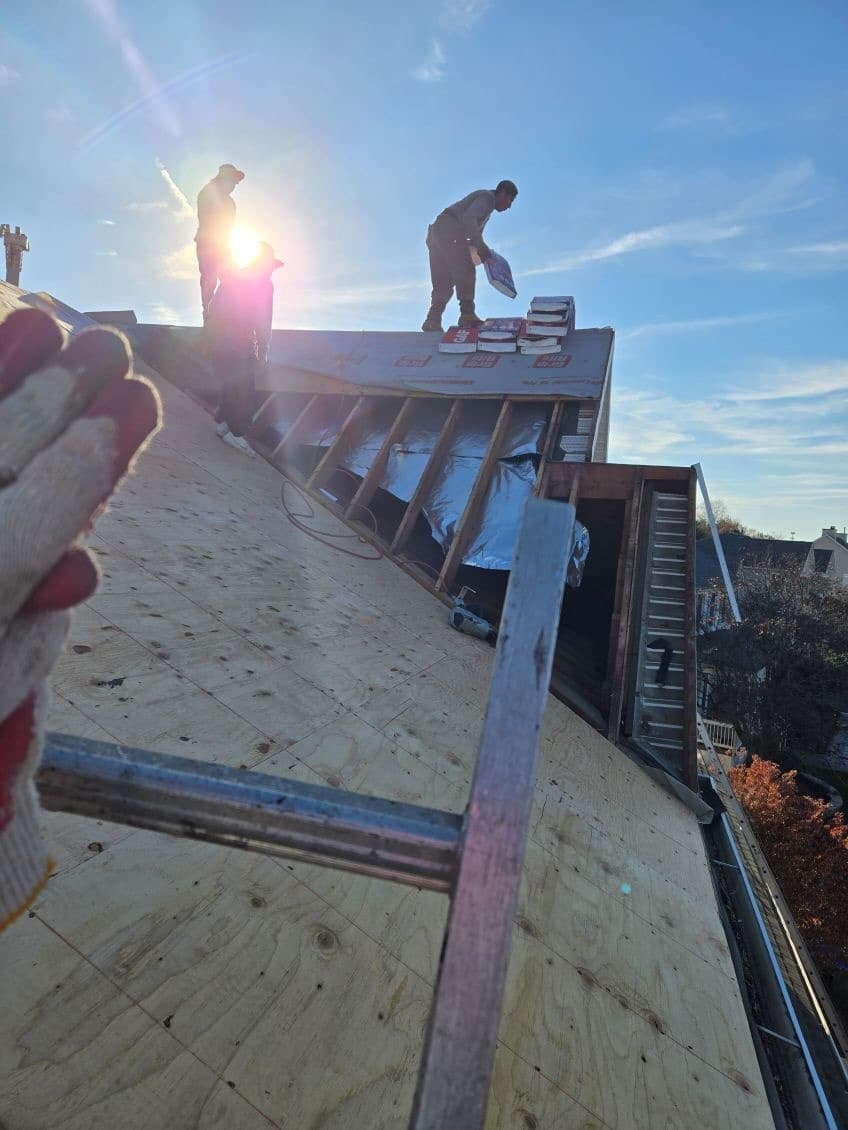
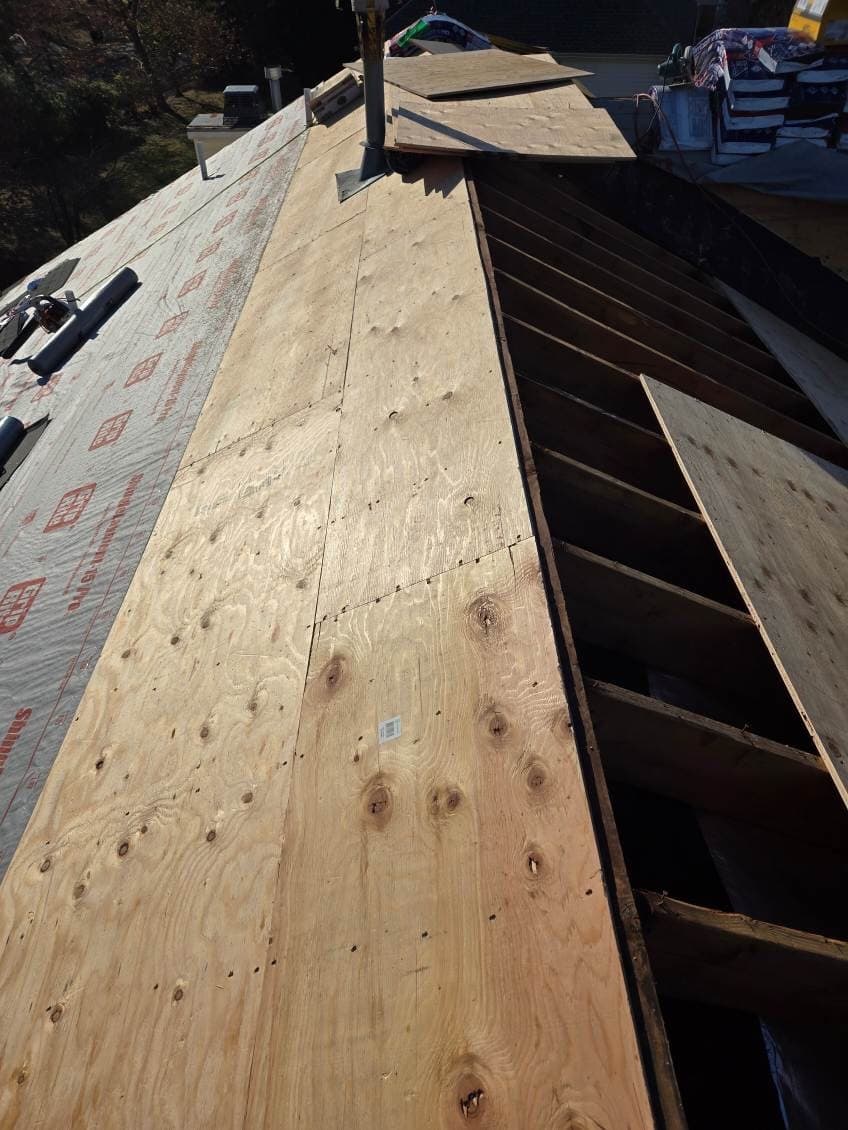
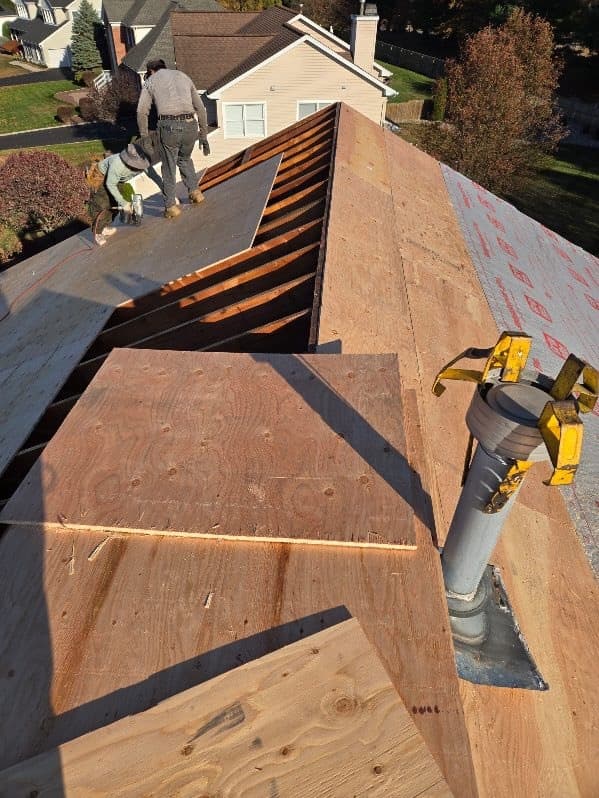
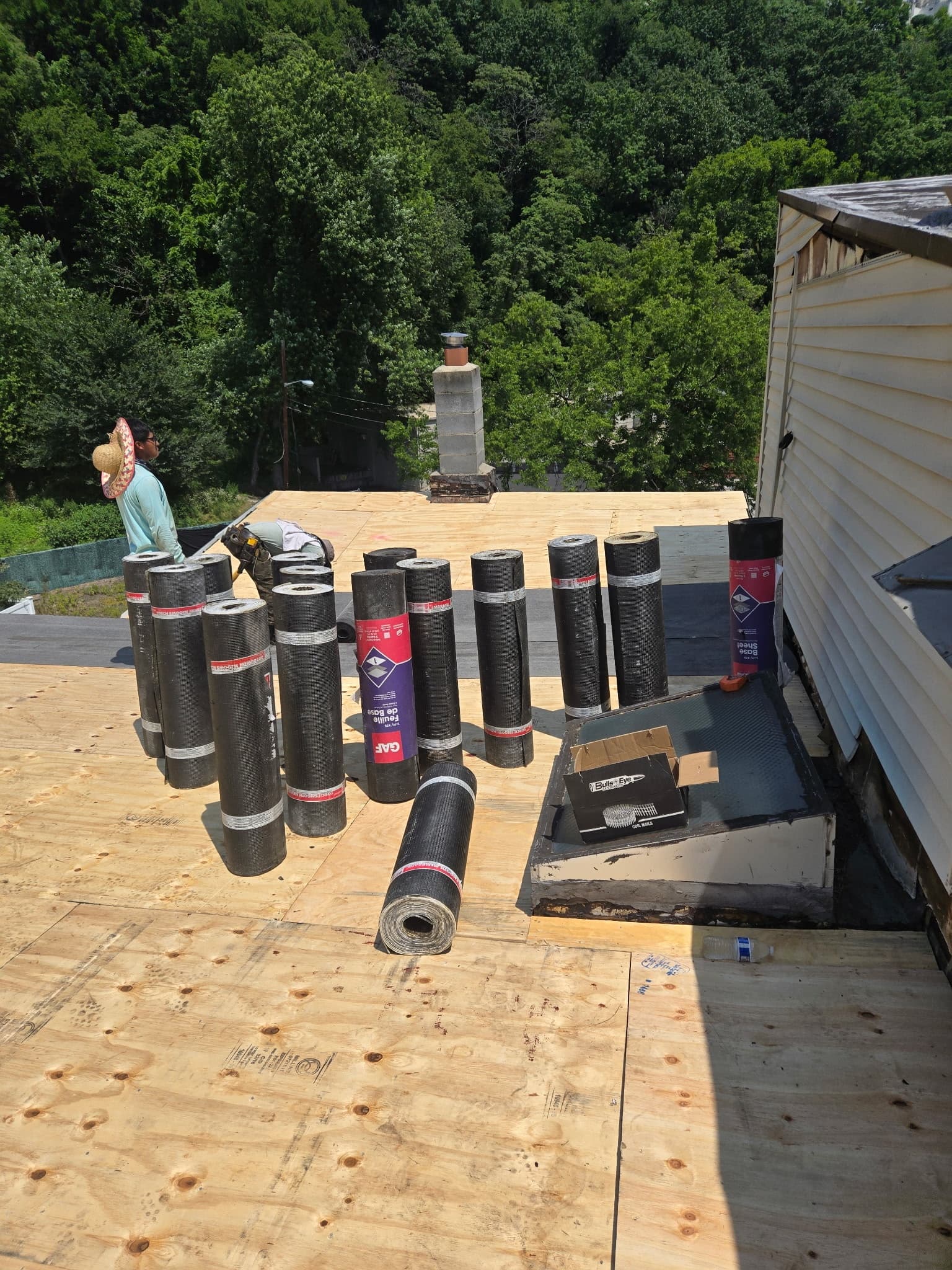
Four nails instead of six, nails driven too high above the nail line, nails overdriven through the mat, or shingles installed in cold weather without hand-sealing are all install-side reasons shingles fail in wind earlier than they should.
What you should do after a wind event
Walk around the house and scan the slopes from the ground with binoculars. Missing tabs and lifted edges are obvious. If anything looks off, get a roofer up there before the next storm. Wind damage tends to compound fast once the first seal is broken.