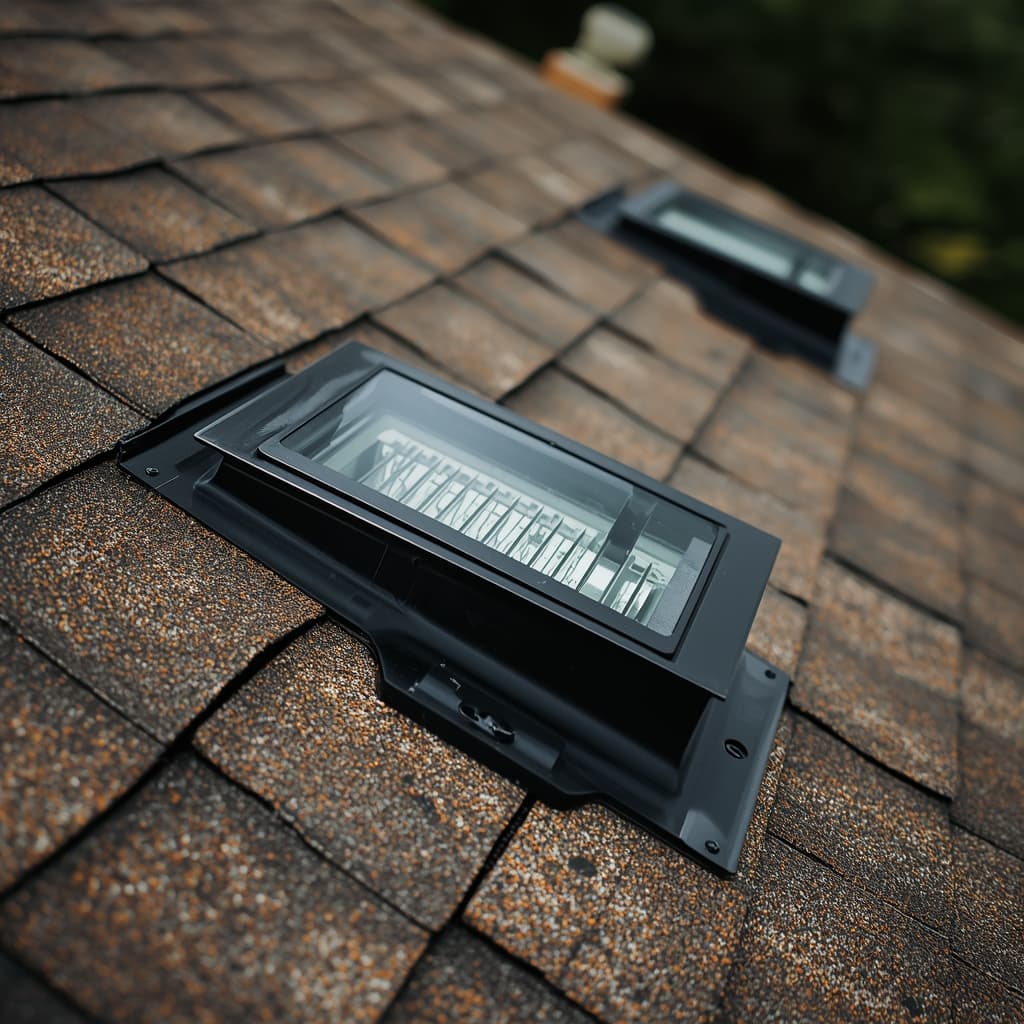
Understanding Roof Ventilation
Proper roof ventilation is a crucial aspect of home maintenance that often goes overlooked. It involves the strategic placement of vents to allow air to circulate through the attic space, preventing moisture buildup and regulating temperature.
Benefits of Proper Roof Ventilation
-
Prevents Moisture Damage
Without adequate ventilation, moisture can accumulate in your attic, leading to mold growth and wood rot. This can compromise the structural integrity of your roof and lead to costly repairs.
-
Regulates Temperature
Proper ventilation helps maintain a consistent temperature in your attic, reducing the strain on your HVAC system. This can lead to lower energy bills and a more comfortable living environment.
-
Extends Roof Lifespan
By preventing heat and moisture buildup, proper ventilation can extend the lifespan of your roofing materials, saving you money in the long run.
Types of Roof Ventilation
- Ridge Vents: Installed at the peak of the roof, allowing warm air to escape.
- Soffit Vents: Located under the eaves, these allow cool air to enter the attic.
- Gable Vents: Positioned on the gable ends of the house, facilitating cross ventilation.
Signs of Poor Roof Ventilation
- Ice Dams: In colder climates, ice dams can form due to uneven roof temperatures.
- High Energy Bills: Inefficient ventilation can cause your HVAC system to work harder.
- Visible Mold or Mildew: Moisture buildup can lead to mold growth in your attic.
Conclusion
Investing in proper roof ventilation is essential for maintaining your home's health and efficiency. By understanding its importance, you can ensure a longer lifespan for your roof and a more comfortable living environment.
For professional assistance with roof ventilation, contact A1 Professional Chimney and Roofing LLC today.