Introduction
Storms can wreak havoc on your home, especially the roof. After severe weather, it's crucial to inspect your roof for damage. This guide will help you identify potential issues and take necessary actions to protect your home.
Inspect for Visible Damage
Start by examining your roof from the ground using binoculars. Look for missing shingles, broken tiles, or any visible signs of damage. Keywords: roof inspection, visible damage, missing shingles.
Check for Debris
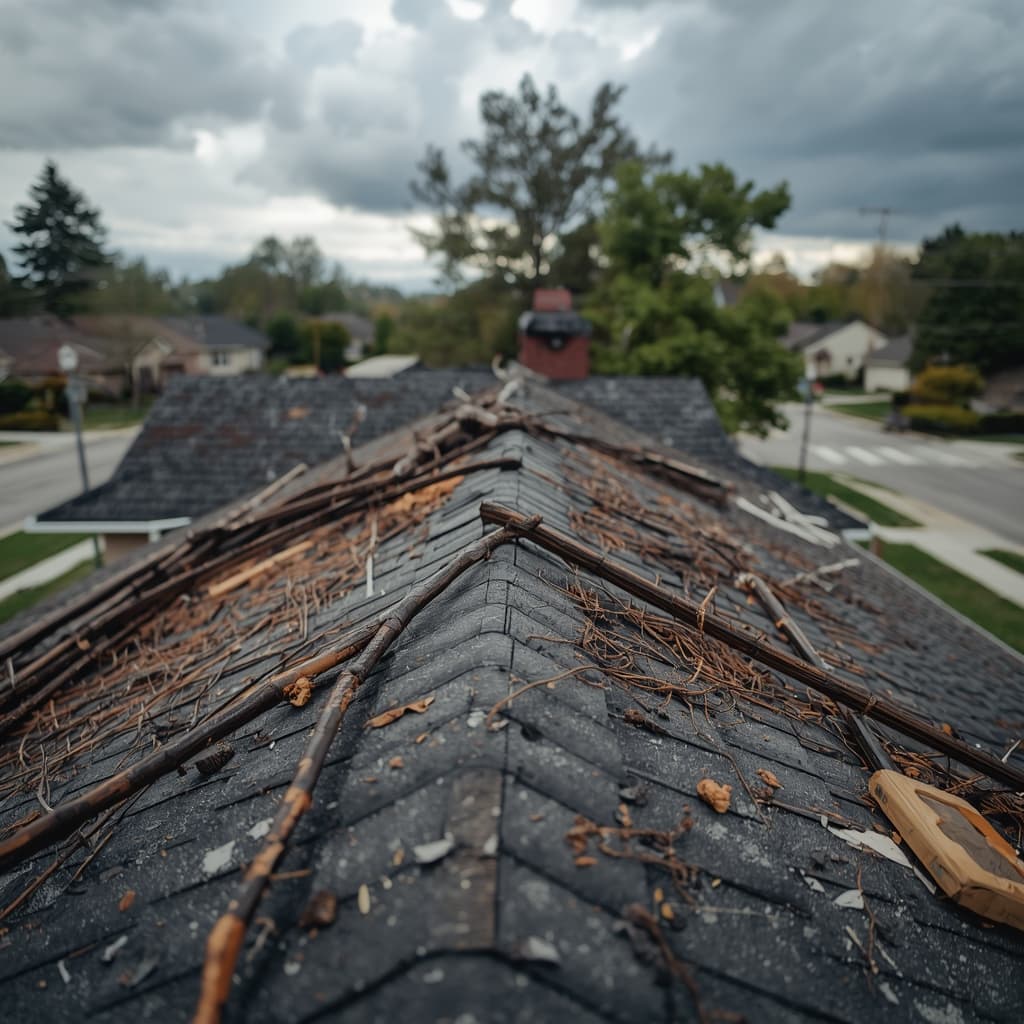
Storms often leave debris on roofs. Branches, leaves, and other materials can cause blockages and damage. Clear any debris to prevent further issues. Keywords: roof debris, storm cleanup, blocked gutters.
Examine Gutters and Downspouts
Inspect gutters and downspouts for blockages or damage. Ensure they are securely attached and free of debris to allow proper water drainage. Keywords: gutter inspection, downspout maintenance, water drainage.
Look for Water Stains
Inside your home, check ceilings and walls for water stains, which indicate leaks. Addressing leaks early can prevent extensive water damage. Keywords: water stains, roof leaks, interior inspection.
Assess Flashing and Seals
Flashing around chimneys, vents, and skylights should be intact. Damaged flashing can lead to leaks and water damage. Keywords: roof flashing, chimney seals, skylight inspection.
Inspect Attic for Moisture
Visit your attic to check for signs of moisture or mold. Proper ventilation and insulation are key to preventing moisture buildup. Keywords: attic inspection, moisture control, mold prevention.
Conclusion
Regular roof inspections after storms are essential for maintaining your home's integrity. If you notice any damage, contact a professional roofing contractor for a thorough assessment and repairs. Keywords: professional roofing contractor, roof repair, storm damage.