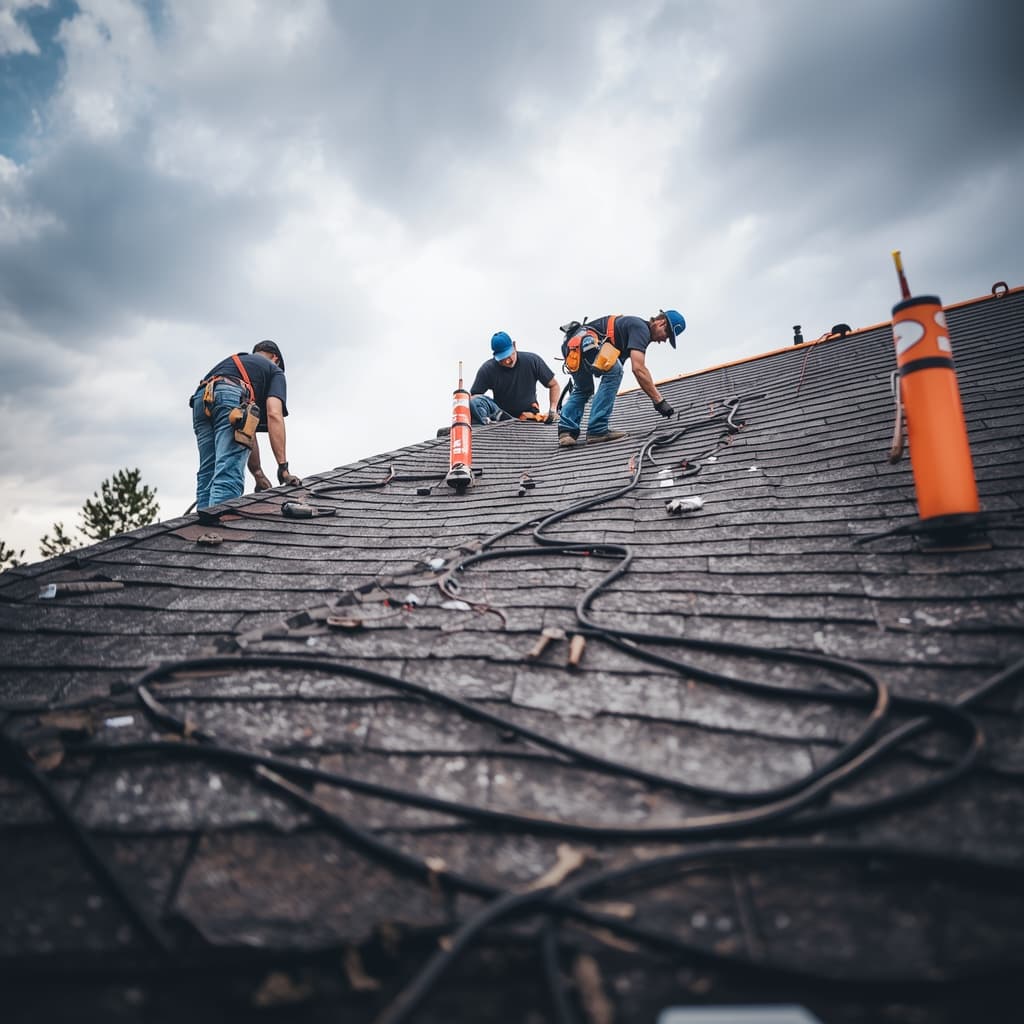
Understanding Roof Replacement Costs
Replacing a roof is a significant investment for homeowners. The cost can vary widely based on several factors including materials, labor, and location. Understanding these elements can help you plan and budget effectively.
Factors Affecting Roof Replacement Costs
-
Material Choices: The type of roofing material you choose will greatly impact the overall cost. Options range from asphalt shingles, which are generally the most affordable, to metal or slate, which can be more expensive.
-
Roof Size and Complexity: Larger roofs or those with complex designs and features such as skylights or chimneys will require more labor and materials, increasing the cost.
-
Labor Costs: Labor costs can vary based on the contractor's experience and the region you live in. It's important to get multiple quotes to ensure competitive pricing.
-
Permits and Inspections: Depending on your location, you may need permits and inspections, adding to the overall cost.
Budgeting for Roof Replacement
-
Get Multiple Quotes: Always obtain several quotes from reputable contractors to compare prices and services.
-
Plan for Unexpected Costs: Set aside a contingency budget for unexpected repairs that may arise during the replacement process.
-
Consider Long-term Savings: Investing in higher-quality materials may have a higher upfront cost but can save money in the long run through durability and energy efficiency.
Conclusion
Understanding the true cost of roof replacement involves considering various factors such as materials, labor, and additional expenses. By planning and budgeting carefully, homeowners can ensure a successful roof replacement project that meets their needs and financial constraints.